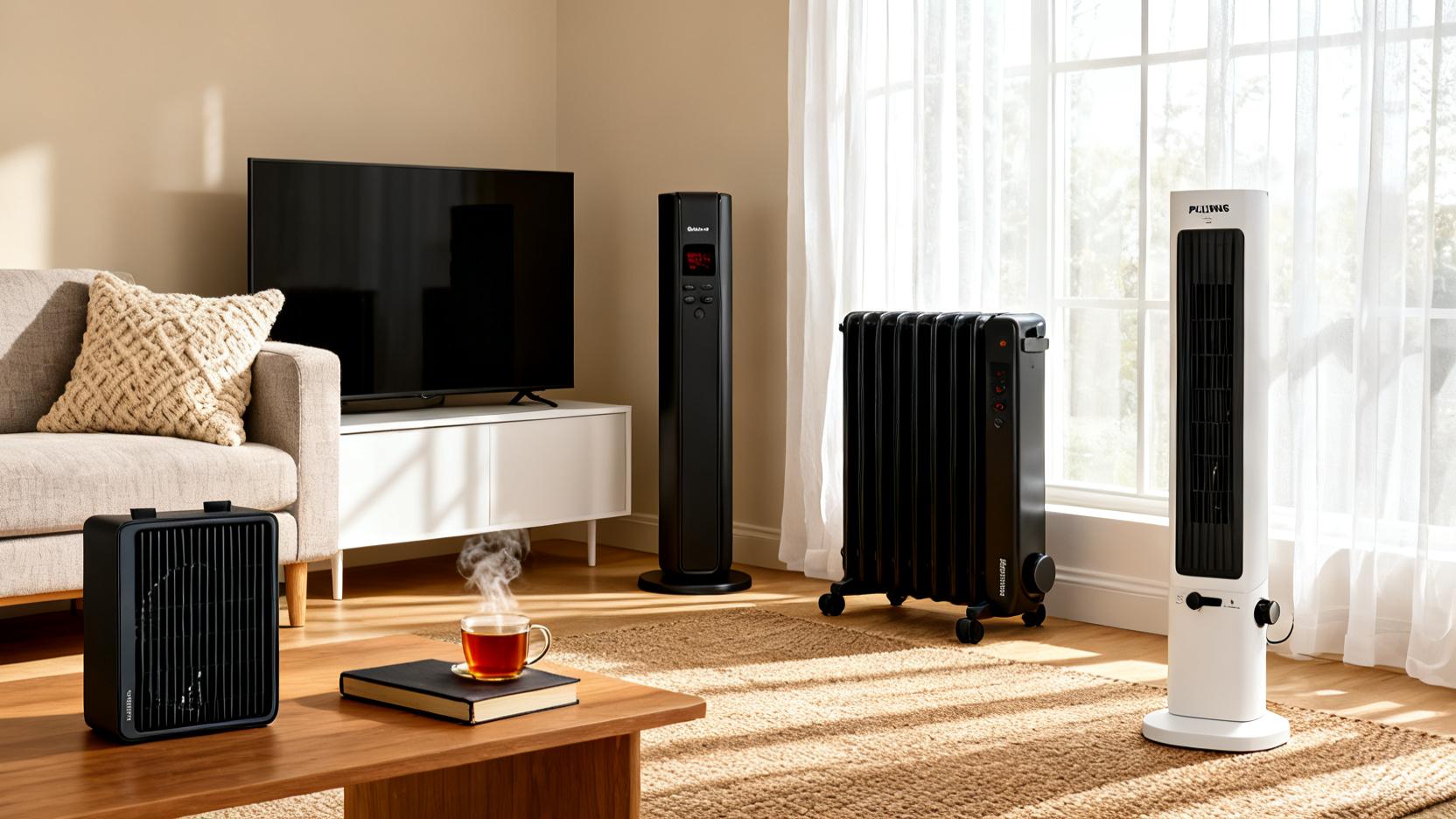
When temperatures drop, a reliable space heater can make a small room feel warm, comfortable, and energy-efficient—without raising your heating bill. Whether you’re heating a bedroom, home office, nursery, or dorm room, the right heater can deliver fast warmth while keeping safety and electricity consumption in check.
This guide will walk you through the best space heaters for small rooms in 2025, the different heater types, how to choose the right one, safety tips, and the most common questions U.S. users ask before purchasing.
1. Why Small Rooms Need a Specific Type of Heater
Small rooms warm up fast—but only if you choose the right heater. The best heater for a small room should provide:
Fast heating performance
Compact size that fits corners or desks
Energy efficiency to keep electricity costs low
Quiet operation, especially for bedrooms
Strong safety features like tip-over and overheat protection
Even heat distribution without hot spots
A heater designed for large rooms may consume more power than needed, while a heater meant for personal use may not heat the entire space.
The sweet spot for a typical small room (100–200 sq ft) is usually:
700–1500 watts, depending on heater type and insulation.
2. Different Types of Space Heaters (Pros & Cons)
Understanding heater types helps you choose the right model for your needs.
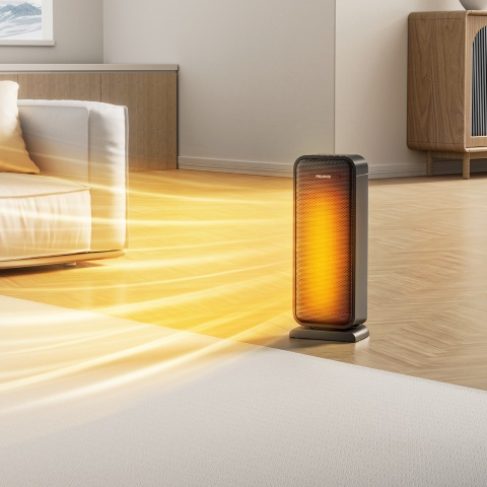
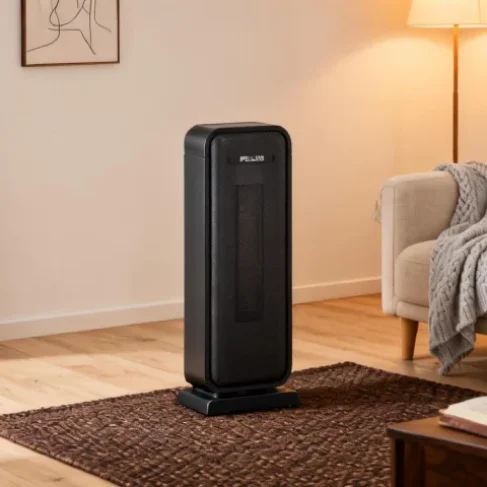
2.1 Ceramic Space Heaters
Ceramic heaters are the most popular choice for bedrooms and small rooms in the U.S.
Pros
Heats up very quickly
Great for targeted or whole-room heating
Usually compact and affordable
Energy efficient, especially with ECO mode
Cons
Heat stops quickly after power off
Best For:
Small bedrooms, home offices, and dorms.
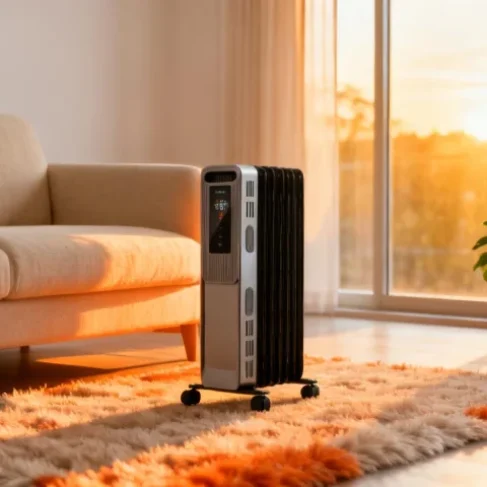
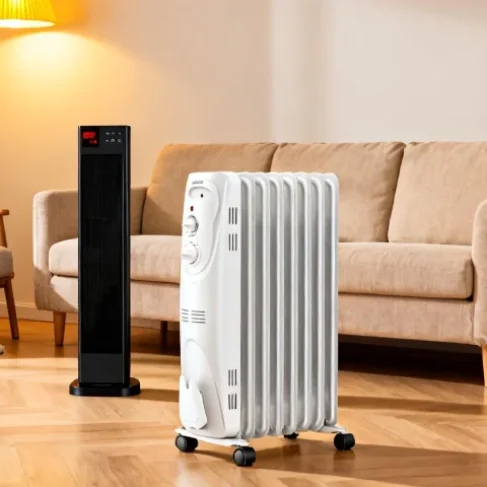
2.2 Oil-Filled Radiators
Oil heaters warm up more slowly but provide steady, long-lasting heat.
Pros
Extremely quiet (no fan)
Maintains warmth even after turning off
Great for overnight heating
Comfortable, non-dry heat
Cons
Larger footprint
Slower heat-up time
Best For:
Bedrooms, nurseries, and people sensitive to noise.
2.3 Infrared Heaters
Infrared heaters warm objects and people directly, similar to sunlight.
Pros
Instant heat
Energy efficient
Quiet operation
Cons
Heats areas unevenly
Not ideal for whole-room heating
Best For:
Personal heat zones, workbenches, garages.
3. Best Space Heaters for Small Rooms in 2025 (Top Picks)
Below are recommended heater categories with placeholder positions for Pelonis models.
3.1 Best Overall Ceramic Heater for Small Rooms
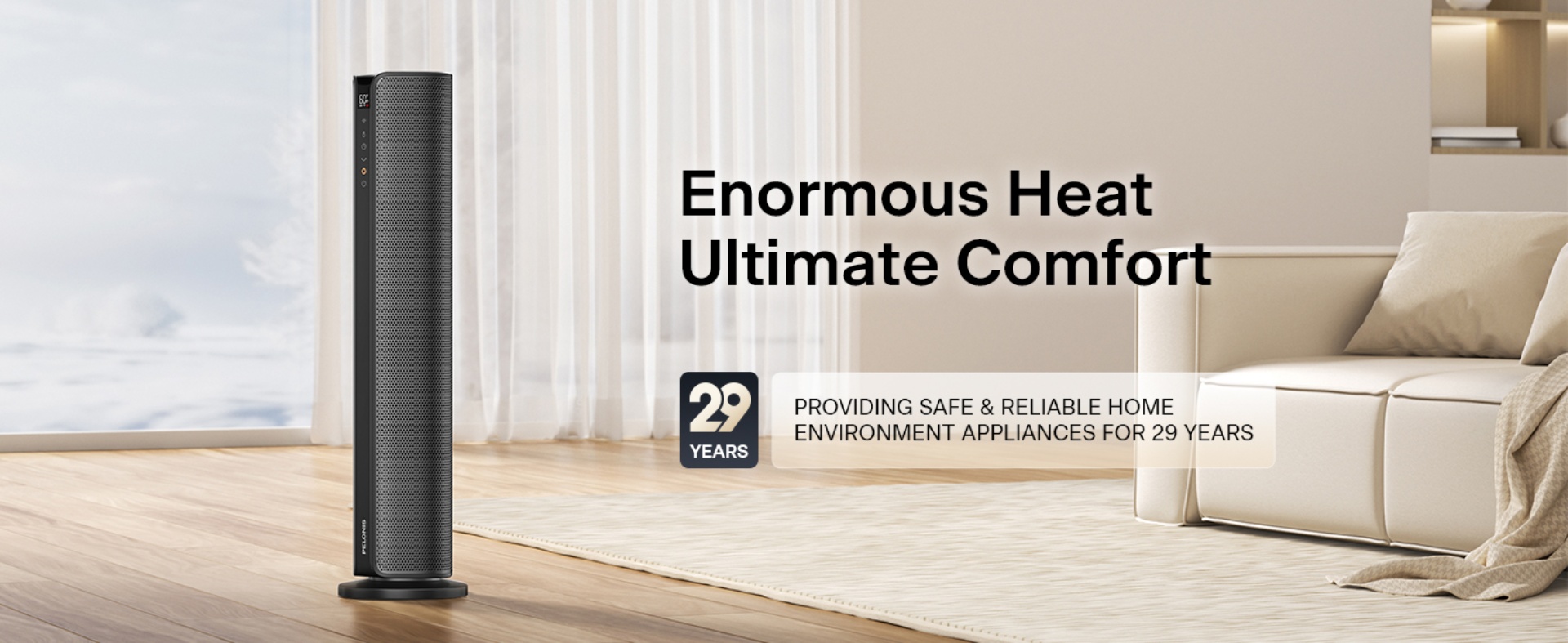
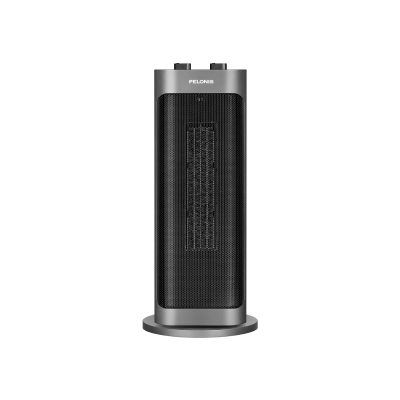
Pelonis 30-inch 1500-Watt Smart Electric Ceramic Heaters PSHC30DW6ABB
Why It’s Great:
Fast heating performance
Wide oscillation for even heat coverage
ECO mode helps reduce energy consumption
Multiple heat settings (Low/High/ECO)
ETL-certified safety with tip-over and overheat protection
Best For:
Small bedrooms, compact living rooms, offices.
3.2 Best Budget-Friendly Heater
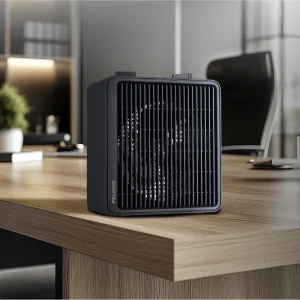
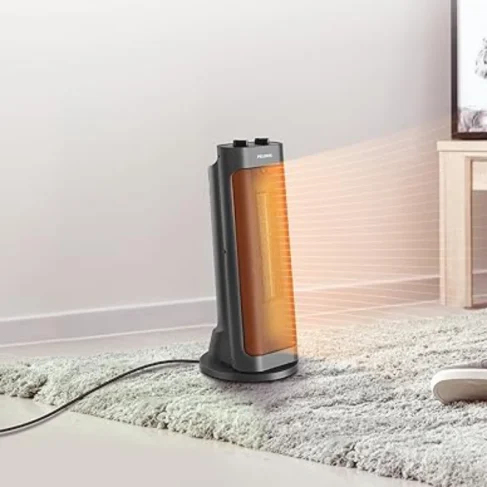
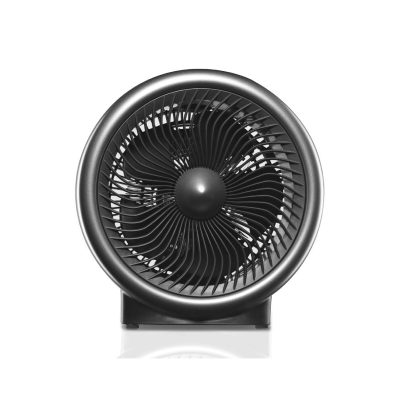
Pelonis 2-in-1 Fan Heater PSHF10M1ABB
Why It’s Great:
Affordable but powerful
Perfect for desks or bedside tables
Lightweight and portable
Great for renters, dorms, and small apartments
Best For:
Personal heating, small corners, work desks.
3.3 Best Oil-Filled Radiator for Quiet Heating
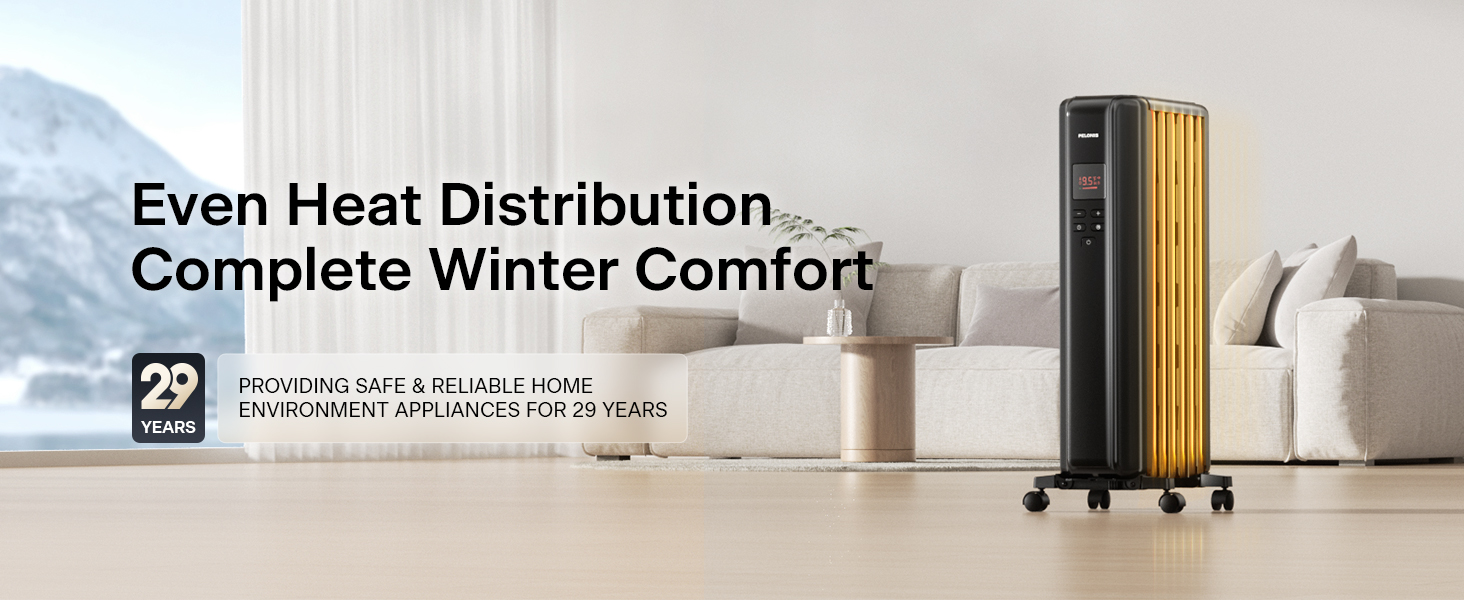
Pelonis Oil Filled Radiator Heater PSHO06MR6ASB
Why It’s Great:
Silent operation for night-time use
Long-lasting, comfortable heat
Multiple temperature presets
Built-in safety (overheat protection + tip-over switch)
Best For:
Bedrooms, nurseries, rooms needing gentle 24/7 heat.
3.4 Best Heater for Energy Efficiency
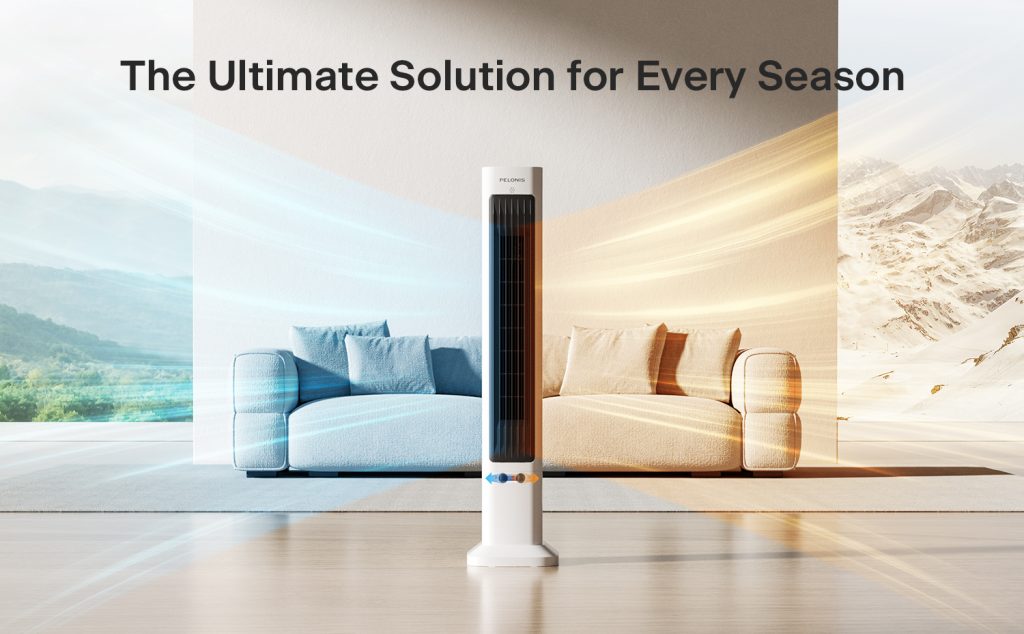
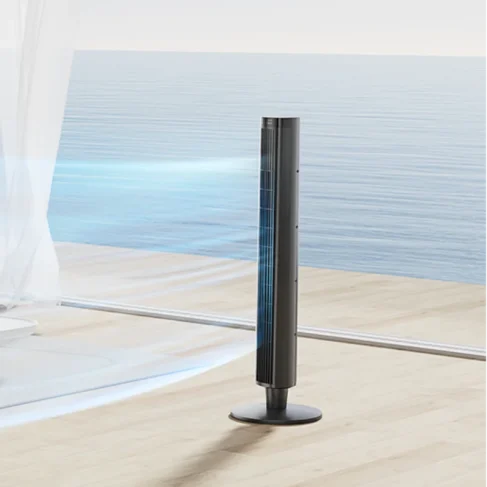
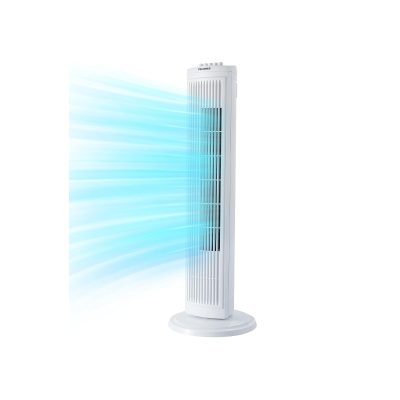
Pelonis Oscillating Tower Fan and Heater Combo FZ15RDBPW
Why It’s Great:
Automatically adjusts heat output
Uses only the power needed to maintain temperature
Significant savings on electricity bills
Ideal for frequent daily use
Best For:
Anyone trying to reduce heating costs.
4. How to Choose the Right Space Heater for Your Room (Checklist)
Before buying a heater, consider the following:
4.1 Room Size
Typical U.S. small room sizes:
100 sq ft → 750–1000 watts
150 sq ft → 1000–1200 watts
200 sq ft → 1500 watts
If you want faster heating → go for ceramic.
If you want silent overnight heat → choose oil-filled.
4.2 Heating Speed
Fast heat: Ceramic
Slow but steady: Oil-filled
Instant but directional: Infrared
4.3 Noise Levels
Ceramic: Low to medium
Oil-Filled: Near silent
Infrared: Silent
4.4 Energy Efficiency
Look for:
ECO mode
Thermostat with temperature presets
Programmable timers
Oscillation for faster whole-room heating
4.5 Safety Features
Safety is especially important for bedrooms and homes with pets or children.
Look for:
Tip-over switch
Overheat protection
Cool-touch housing
ETL/UL certification
Sturdy, wide base
4.6 Heater Placement
Small rooms can become too warm or uneven if the heater is placed incorrectly.
Best placement locations:
Corner of the room
Away from curtains and bedding
Flat, stable surface
Near a power outlet (avoid extension cords)
5. How Much Does It Cost to Run a Space Heater?
A typical 1500-watt heater costs:
About $0.20–$0.30 per hour, depending on electricity rates
Around $1.20–$2.00 per night
Ways to save:
Use ECO mode
Lower heat setting once room is warm
Only heat occupied rooms
Improve insulation (weather stripping, curtains)
Oil-filled heaters can cost slightly less because they stay warm after switching off.
6. Space Heater Safety Tips
Safety is essential for small rooms where space is limited.
Here are the most important safety rules:
Keep the heater 3 feet away from fabric or flammable items
Do not use extension cords
Turn off when leaving the room
Never place heaters on unsteady surfaces
Use heaters with certified protection (tip-over, overheat)
Avoid using in bathrooms unless certified for moisture
Your Pelonis models’ built-in safeguards (replace placeholders later) can be highlighted as:
Tip-over Protection
Overheat Shutoff
Cool-Touch Housing
ETL Certification
7. FAQs About Small Room Heaters
Q1: What type of heater is best for a small bedroom?
Ceramic tower heaters and oil-filled radiators are the best choices. Ceramic warms the room fast; oil-filled offers quiet overnight heat.
Q2: How many watts do I need for a small room?
Most U.S. small rooms (100–200 sq ft) need 750–1500 watts depending on insulation and heating speed preferences.
Q3: Are space heaters safe for overnight use?
Yes—if they include built-in safety features such as tip-over protection, overheat shutoff, and a thermostat. Oil-filled heaters are particularly safe and quiet for sleeping.
Q4: Do space heaters use a lot of electricity?
They use less energy than central heating because you only heat the space you’re using. ECO mode models save even more.
Q5: Can a space heater heat an entire small room?
Yes. A 1500-watt ceramic or oil-filled heater can heat most small rooms effectively.
8. Conclusion
Finding the best heater for a small room in 2025 comes down to your heating needs—speed, silence, energy efficiency, and safety. Whether you prefer fast ceramic heat, the quiet comfort of an oil-filled radiator, or the portability of a compact model, choosing the right type will make your winter significantly more comfortable.