Choosing the right space heater can make all the difference when winter temperatures drop. In 2025, oil-filled heaters and ceramic heaters remain the two most popular options for small homes, bedrooms, and offices. But which one is truly better—and which one should you choose?
In this guide, we compare oil-filled heaters vs ceramic heaters across heating speed, energy use, safety, noise level, room suitability, and cost, so you can make an informed decision this winter.
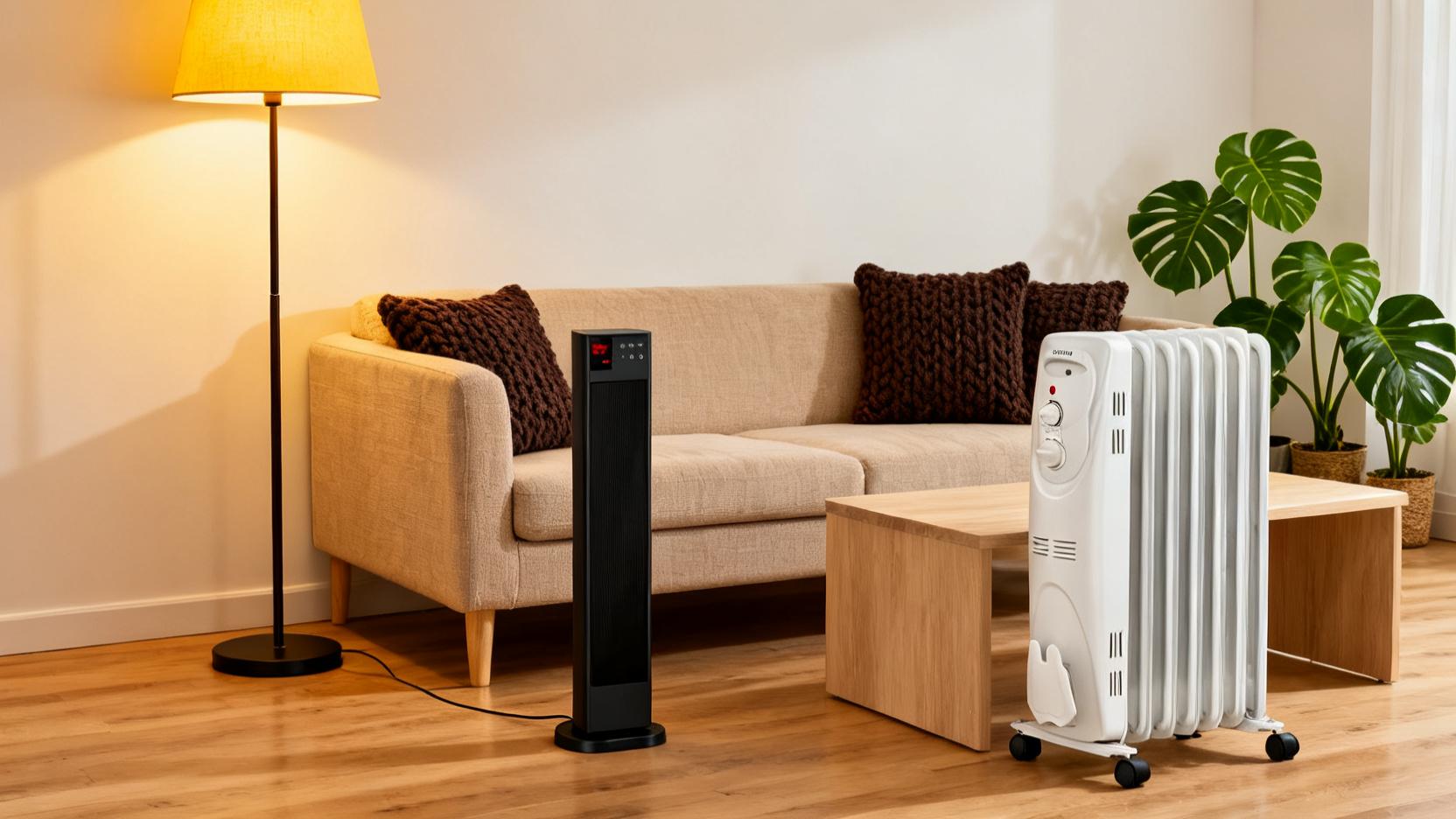
1. Overview: Oil Filled vs Ceramic Heaters
Before diving in, here’s the quick difference:
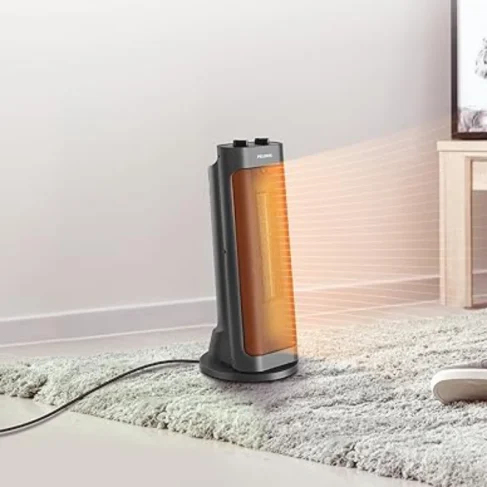
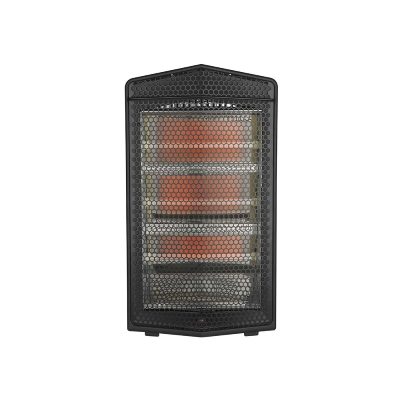
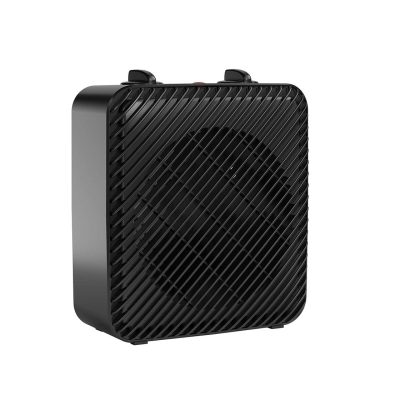
Ceramic heaters heat the air using a ceramic heating element and a fan.
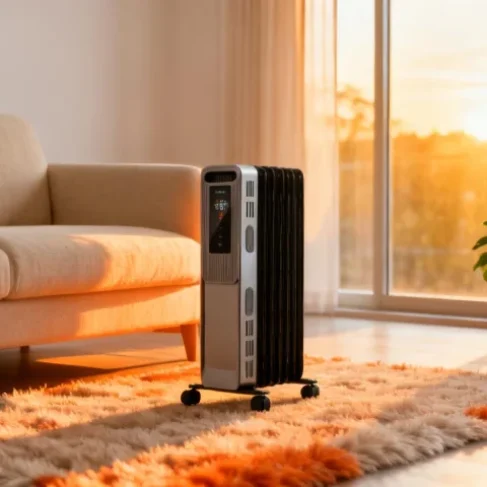
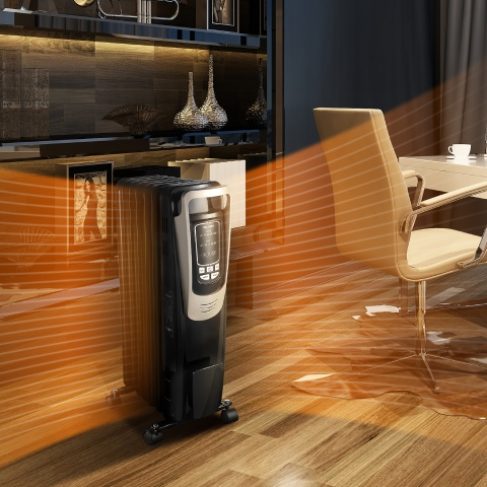
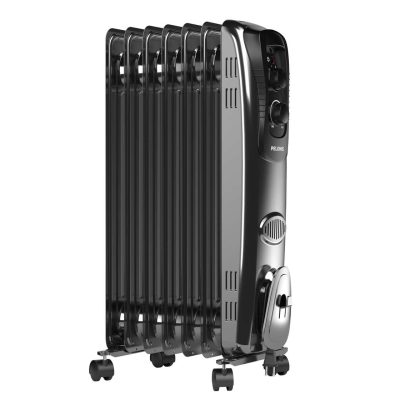
Oil-filled heaters heat internal diathermic oil and release warmth slowly and steadily without a fan.
Both can heat small to medium rooms efficiently, but they offer very different experiences.
2. How Ceramic Heaters Work
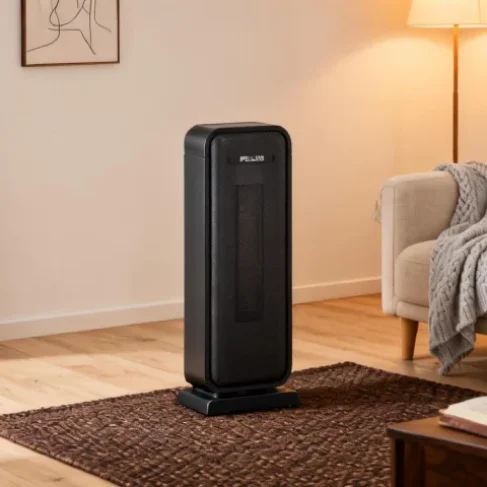
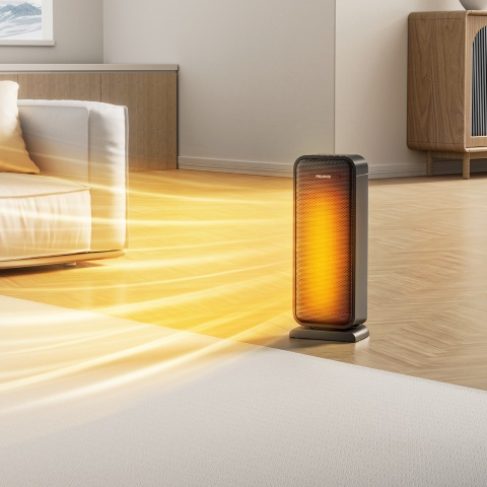
Ceramic heaters use a ceramic plate paired with a fan that pushes warm air into the room.
Advantages of Ceramic Heaters
Very fast heating (warm air in seconds)
Great for small rooms that need quick warmth
Often lightweight and portable
Oscillation available for even heat distribution
Typically lower cost
Disadvantages
Fan noise (low to moderate)
Air dries out faster
Heat disappears quickly after turning off
Best For
Bedrooms
Home offices
Dorm rooms
Users who want immediate heat
Recommended Model Placeholder:
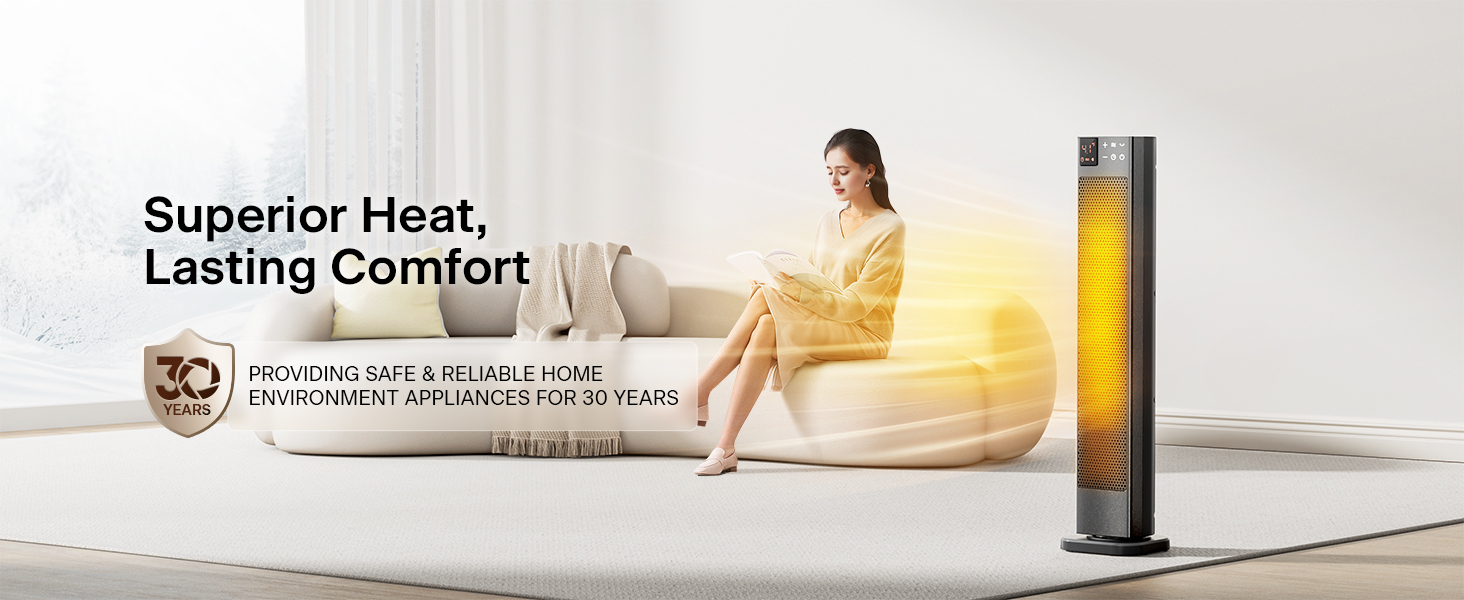
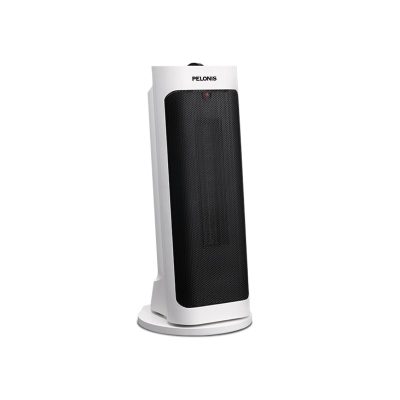
Pelonis 30 in. 1500-Watt Digital Tower Ceramic Heater PHT30D7BBB
3. How Oil-Filled Heaters Work
Oil-filled heaters warm the room by heating sealed oil chambers. The oil stays hot for a long time, allowing the heater to radiate heat silently.
Advantages of Oil-Filled Heaters
Extremely quiet (no fan noise)
Long-lasting heat, even after switching off
Comfortable and non-drying warmth
Energy-efficient for continuous heating
Very safe for overnight use
Disadvantages
Slower to heat up (10–20 minutes)
Larger and heavier
Less portable compared to ceramic
Best For
Bedrooms
Nurseries
Living rooms where silent heat is needed
People sensitive to dry air or noise
Recommended Model Placeholder:

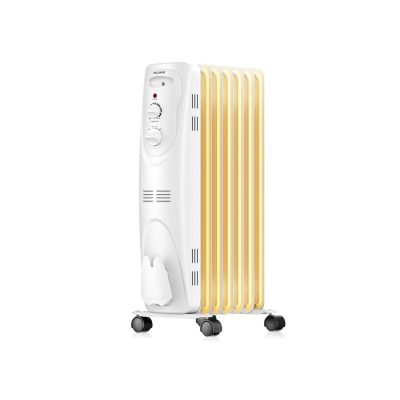
Pelonis Basic Electric Oil Filled Radiator PHO15A2AGW
4. Head-to-Head Comparison: Oil-Filled vs Ceramic
4.1 Heating Speed
Winner: Ceramic Heater
Ceramic models deliver warm air instantly thanks to the fan.
4.2 Energy Efficiency
Winner: Depends on usage
Ceramic heaters use less energy short-term.
Oil-filled heaters save more energy during long running hours because they retain heat.
For heating 5+ hours → oil-filled is usually more economical.
4.3 Noise Level
Winner: Oil-Filled Heater
Oil-filled heaters operate silently, making them ideal for night use.
4.4 Heat Distribution
Ceramic → focused hot air, best for targeted heating
Oil-filled → slow, steady, and even heat
Winner: Oil-Filled Heater for whole-room comfort.
4.5 Air Quality
Winner: Oil-Filled Heater
No fan = no blowing dust, no drying throat.
4.6 Safety
Both types are safe with modern protections.
Look for:
Tip-over switch
Overheat protection
Cool-touch housing
ETL/UL certification
Oil-filled heaters are generally safer for bedrooms because they stay stable and don’t blow hot air.
4.7 Portability
Winner: Ceramic Heater
Smaller, lighter, easier to move.
4.8 Best Use Cases
| Room Type / Use Case | Oil-Filled | Ceramic |
|---|---|---|
| Bedroom (quiet) | ⭐⭐⭐⭐⭐ | ⭐⭐⭐ |
| Small room that needs fast heat | ⭐⭐⭐ | ⭐⭐⭐⭐⭐ |
| Overnight heating | ⭐⭐⭐⭐⭐ | ⭐⭐⭐ |
| Home office | ⭐⭐⭐⭐ | ⭐⭐⭐⭐⭐ |
| Baby room | ⭐⭐⭐⭐⭐ | ⭐⭐⭐ |
| Personal heat zone | ⭐⭐⭐ | ⭐⭐⭐⭐⭐ |
5. Which Heater Costs More to Run?
U.S. electricity averages around $0.16–$0.20 per kWh.
Ceramic Heater (1500W)
Approx. $0.24–$0.30 per hour
Best for quick heating, short-term use
Oil-Filled Heater (1500W)
Approx. $0.16–$0.25 per hour (due to heat retention)
Best for long-term or overnight heat
Bottom Line:
Short sessions → Ceramic is cheaper
Long sessions → Oil-filled is more efficient
6. Safety Comparison
Ceramic Heaters
Must be kept clear of fabrics
Good modern protections
Fan models require stable placement
Oil-Filled Heaters
Surface gets hot but internal oil is sealed
Safer for extended use
No airflow = less fire risk
Both are safe options, but oil-filled wins for overnight or children’s rooms.
7. Which One Is Better for Winter 2025?
The answer depends on your usage:
Choose Ceramic Heater if:
You want instant heat
You heat small rooms for short periods
You prefer lightweight, portable heaters
Choose Oil-Filled Heater if:
You want quiet, comfortable, whole-room heat
You need overnight warmth
You want lower long-term energy usage
The Most Practical Choice for Most Homes:
Ceramic heater for daytime + quick heat
Oil-filled heater for nighttime + steady heat
8. Recommended Models for 2025
Replace placeholders with actual Pelonis models.
Best Ceramic Heater for Fast Heating
Best Oil-Filled Heater for Quiet Whole-Room Heating
9. FAQ
Q1: Which heater is safer—oil-filled or ceramic?
Both are safe, but oil-filled heaters are generally safer for long overnight use because they don’t blow hot air.
Q2: Which one heats faster?
Ceramic heaters warm the room much faster than oil-filled heaters.
Q3: Is an oil heater expensive to run?
Not necessarily—oil heaters retain heat and can run efficiently for long periods.
Q4: Which is better for bedrooms?
Oil-filled heaters, because they are silent and provide stable warmth.
Q5: Do ceramic heaters dry the air?
Yes, ceramic heaters with fans circulate dry air more than oil-filled models.
10. Final Verdict
Both ceramic and oil-filled heaters are excellent choices for winter 2025, but they serve different needs. Ceramic heaters deliver fast, targeted heating for small spaces, while oil-filled heaters provide steady, silent warmth ideal for nighttime comfort. Choosing the right heater depends on your room size, heating duration, and personal comfort preferences.